Table of contents
Quick Summary
| Vehicle Type | Best For | Daily Donors | Typical Configuration |
|---|---|---|---|
| Van | Cities, schools, companies | 30-60 | 3-4 donation stations |
| Bus | High-volume metro areas | 80-150 | 6-8 stations + screening |
| 4×4 Truck | Rural, rough roads | 20-50 | 2-3 stations, rugged build |
| Trailer | Events, multi-day stays | 30-100 | Detachable, expandable |
Bottom line: Start with a van unless you already know you need something else. Most blood banks do.
Why Go Mobile?
Fixed blood centers miss a large portion of potential donors. People don’t drive to you. You drive to them.
Mobile units let you:
- Park at companies, universities, and community events
- Reach rural areas with no blood bank
- Respond to emergencies and blood shortages
- Collect 30-50% of your total blood supply
Four Vehicle Types, Four Different Jobs
1. Van-Type: The Urban Workhorse
Who it’s for: Most blood banks starting out. Cities, suburbs, corporate partnerships.
What it looks like: Mercedes Sprinter, Ford Transit, Toyota Hiace, or similar van with raised roof.
Inside:
- 3-4 donation beds
- Blood refrigerator with temperature monitoring
- Small waiting area
- Hand washing station
- Storage for supplies
Real example: A blood center in Mexico City added four vans to their fleet. Within one year, their collections increased significantly. Each van now serves 12-15 locations per week.
Typical daily collection: 40-60 units
2. Bus-Type: The High-Capacity Solution
Who it’s for: Major metropolitan areas, regional blood centers, high-volume events.
What it looks like: Full-size bus with standing height throughout.
Inside:
- 6-8 donation beds
- Separate screening and consultation room
- Staff area
- Enhanced blood storage capacity
- Multiple phlebotomy stations
Real example: A national blood service in Colombia uses buses in their largest cities. Each bus serves 3-4 locations daily and has become a recognizable presence at universities and corporate parks.
Typical daily collection: 80-120 units
Considerations: Requires more space for parking. Needs a commercial driver in some countries.
3. 4×4 Truck: The Rural Specialist
Who it’s for: Remote villages, mountainous regions, desert areas, disaster response.
What it looks like: Toyota Land Cruiser or Hilux with custom-built medical module.
Inside:
- 2-3 donation beds
- Equipment designed to handle vibration and rough roads
- Extended water and power autonomy
- Rugged storage for supplies
Real example: A health service in northern Kenya uses 4×4 blood donation trucks to reach communities that have never had access to blood collection. In the first year, they collected over 3,000 units from first-time donors.
Typical daily collection: 20-40 units (but reaching people no one else can)
4. Trailer-Based: Maximum Flexibility
Who it’s for: Events lasting multiple days, programs with separate transport needs, rural clinics.
What it looks like: Towed unit that detaches from the truck. Some models expand for more space.
Inside:
- 3-6 donation beds (depending on size)
- Can be left on site while truck is used elsewhere
- Expandable sides for more room when parked
Real example: A regional blood program in Brazil uses trailers that stay at community health centers for 2-3 weeks at a time. The truck brings supplies and picks up collected blood weekly.
Typical daily collection: 30-60 units
What Actually Matters in a Blood Donation Vehicle
The Electrical System (Most Important)
| Component | Why It Matters |
|---|---|
| Generator | Powers everything when no shore power |
| Battery bank | Silent operation, backup if generator fails |
| Pure sine inverter | Protects sensitive medical equipment |
| Automatic transfer switch | Switches between power sources seamlessly |
Blood must stay at 2-6°C. Always. No exceptions. Your electrical system must be absolutely reliable.
The Clinical Space
| Feature | Requirement |
|---|---|
| Donor beds | Comfortable, easy to clean |
| Phlebotomy chairs | Adjustable, ergonomic for staff |
| Blood refrigerator | Medical-grade with alarms |
| Hand washing | Hands-free operation |
| Lighting | Bright enough for vein finding |
| Work surfaces | Stainless steel, seamless |
Climate Control
Blood donation vehicles work in all weather. Your system must handle:
- 40°C heat (desert operations)
- High humidity (tropical regions)
- Cold climates (mountain areas)
- Dust (rural roads)
Real Questions from Blood Bank Directors
“We’re just starting a mobile program. What should we buy?”
Start with one van. Learn what works in your community. See which locations give the best turnout. Add more vehicles once you know your pattern.
A van gives you flexibility without the cost and complexity of a bus. Most blood banks stay with vans even as they grow.
“How do we keep blood cold during transport?”
Medical-grade refrigerators with continuous temperature monitoring. Dual cooling systems. Battery backup. Alarms that alert staff if temperature drifts.
We build all our vehicles with redundant cooling for the blood fridge. If one system fails, the second takes over.
“Can we use the same vehicle in the city and in rural areas?”
Depends on your roads. A standard van works fine on paved roads and good gravel. For real off-road work, you need a 4×4 truck with reinforced suspension and underbody protection.
Some organizations buy both: vans for urban work, 4×4 trucks for remote areas.
“How do we handle power at a school or office park?”
Most locations let you plug into their power (shore power). Your vehicle’s system automatically switches between:
- Shore power (when available)
- Generator (when you need it)
- Batteries (silent operation, backup)
You’re covered no matter what.
“What about water and waste?”
Fresh water tank for hand washing and cleaning. Waste water tank for collection. In remote areas, you carry your own water. In cities, you refill at fire stations or partner locations.
Real Examples That Work
Mexico City: Corporate Partnerships
Four vans serving corporate offices and universities. Collections up 45% in one year. Each van visits 3 locations daily.
Northern Kenya: Remote Communities
Two 4×4 trucks reaching villages with no roads. First-time donors: 92% of collections. Zero breakdowns in 18 months.
Colombia: National Coverage
Mixed fleet of vans (cities) and 4×4 trucks (mountains). Rural collections up 67%. Emergency response now possible anywhere.
Infinity Chassis Units: Who We Are
We build blood donation vehicles. That’s all we’ve done for 15+ years.
What makes us different:
- We listen first, then design
- We’ve delivered to six continents
- We use medical-grade materials throughout
- We engineer for your specific climate and roads
- We handle export documentation
We don’t do catalogs. Every vehicle is built for its owner.
Your Next Steps
1. Think about your needs
- Where will the vehicle operate? (city, rural, both)
- How many donors per day do you need?
- What’s your timeline?
2. Contact us
Tell us about your program. We’ll ask questions you haven’t thought of.
3. Get a proposal
We’ll send you a detailed configuration and timeline. No generic quotes. Just what you actually need.
Contact
Infinity Chassis Units (ICU)
📞 Phone / WhatsApp: +90 555 104 06 48
✉️ Email: sales@infinitychassis.com
🌐 Website: www.infinitychassis.com
Specialties:
Mobile Blood Donation Vehicles | Ambulances | Mobile Clinics
Hours:
Monday – Friday: 09:00 – 18:00 (UTC+3)
Updated: March 2026
Experience matters. Blood vehicles are different from regular ambulances.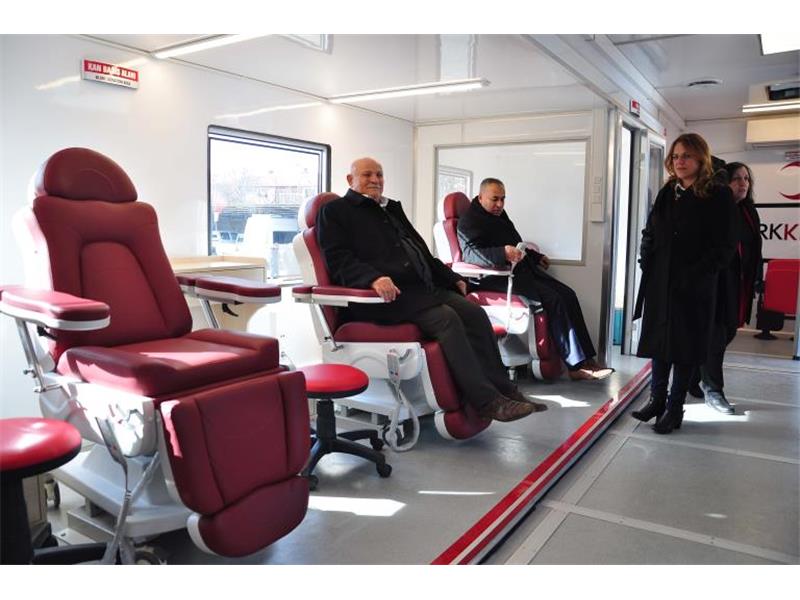
The answer should include battery backup and shore power options.
Desert needs different specs than mountains. Make sure they understand your conditions.
Wiring diagrams, maintenance schedules, equipment manuals. You need all of it.
If you’re importing, this matters. A good manufacturer handles export paperwork.
Your team needs to know how to use and maintain the vehicle.


